Repairs we handle
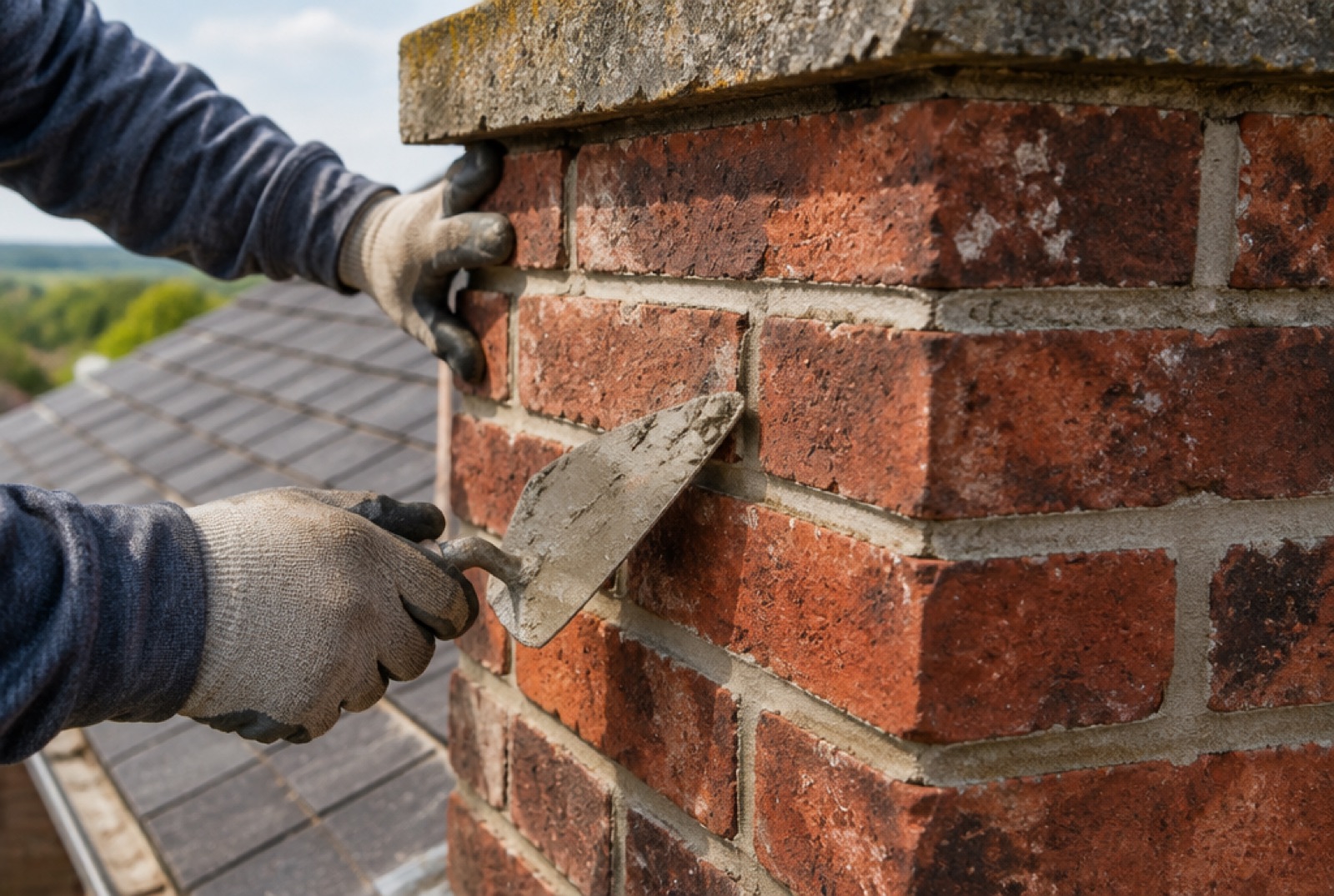
Tuck pointing
Mortar joints wear out faster than brick. Tuck pointing means grinding out deteriorated mortar to a consistent depth and packing in fresh mortar matched to your chimney. It restores the strength of the brickwork and stops water getting in through the joints.
Flue repair
The flue liner protects the house from heat and carries smoke and gases safely outside. Cracked, shifted or missing flue tiles and failing joints can let heat and combustion gases reach places they shouldn't. Depending on the damage, we'll repair the existing liner or recommend relining, and explain the options in plain terms.
Cracks and damaged masonry
Cracked or spalling (flaking) bricks, loose masonry and separation between the chimney and the house all get worse with time and weather. We repair or replace damaged sections and deal with the cause, which is usually water, so the fix lasts.
Leaks and water damage
Most chimney leaks come from a cracked crown, missing cap, failed flashing or porous masonry. We track down where the water is actually coming in before recommending a repair. For crown and cap work, see Chimney Cap & Crown Repair.
Signs your chimney needs repair
- Crumbling or missing mortar between bricks
- Bricks that are cracked, flaking or pushing out
- White staining (efflorescence) on the outside of the chimney
- Water stains on the ceiling or wall near the fireplace
- Rust on the damper or firebox, or water in the firebox
- Pieces of tile or masonry falling into the fireplace
- A chimney that looks like it's leaning or pulling away from the house
Routine maintenance
Maintenance is how you avoid most of the repairs above. A good maintenance visit pairs a chimney inspection with cleaning as needed, plus attention to small items before they grow:
- Resealing minor crown cracks
- Replacing a damaged or missing cap
- Spot tuck pointing of worn joints
- Clearing nests and debris
- Checking that the damper operates and seals properly
Earthquakes and chimneys
Masonry chimneys are among the parts of a house most vulnerable to earthquake damage, and cracks inside the flue aren't visible from outside. After a noticeable quake, NFPA 211 guidance calls for a Level 2 inspection before using the fireplace again. Call us if you're unsure.